
A few weeks before Christmas, in my hunt for stories of how innovative ideas fare in the NHS, I came across an interesting case study. A young entrepreneur with a rather ambitious AI idea contacted me and I was struck more by his story of how he came to be in London than by the product he is trying to launch here.
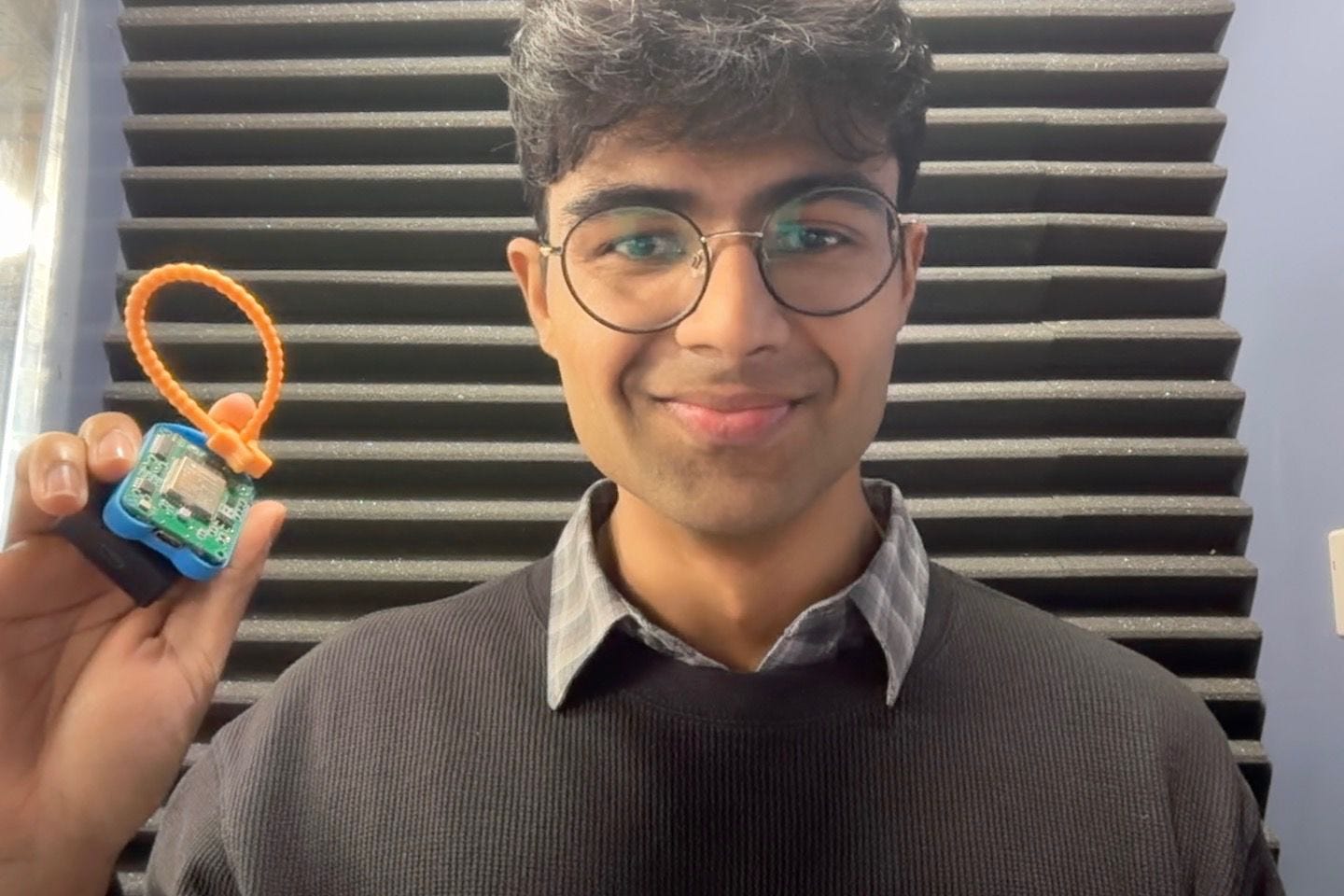
Akashdeep Deb was born in India but then his father, an oil executive, moved the family to Dubai, and he ended up at a top American university where he got a degree in computer science. He then spent four years working for a big tech company in Silicon Valley just as the generative AI boom was taking off.
Like so many others, he decided he wanted to start a company but he chose to do that in London rather than California. The reason, apart from the fact that he met his co-founder here, boils down to one word - visas.
“I had a [US] visa, which basically ties me to an employer, and I wanted to get away from that, I wanted that freedom to just build my own company,” he explained. Here in the UK he has got a High Potential Individual Visa, available to someone with a degree from a list of eligible universities, allowing them to stay for two years. Akash hopes that will be enough time to get his idea off the ground and then switch to the Innovator Founder Visa.
So, what is his idea? Akash and his co-founder Junru Xiong - who has a Masters degree in data science from City University - are building a platform called Starmoon.app which aims to create AI toys to give children a better experience in hospital. Their pitch is that by implanting a small voice activated speaker in a favourite toy - it could be Superman or a teddy bear - they can let the child talk to a friendly chatbot about anything that worries them as they go through various healthcare procedures.
He gives an example of a child about to have an endoscopy: “We’re picturing a world where, if this child likes Superman, there could be a Superman-like AI that says, ‘Hey, kiddo, you're going to get through this.’ And just listening to these words of encouragement from their favourite characters can really reduce stress.”
Now, I am sure that plenty of people may find this idea bizarre. or even creepy, but any parent - or grandparent - who has failed to pack a favourite cuddly toy for a trip will know how powerful a child’s connections with these ‘friends’ can be.
No, the bigger barrier for getting this idea adopted is that, as Akash admits, neither he nor his co-founder have any clinical expertise or really much idea of how the NHS works. They have got a doctor at a private hospital interested but will need to do a lot of work and probably hire a couple of people with clinical and managerial experience of the health service if they are to be taken seriously.
But when I got back in touch with Akash this week he was very upbeat, with news that he had a meeting set up with an NHS hospital and was aiming to set up 3 to 5 pilots of the Starmoon technology within the next three months. I had called him because events this week in the United States where the Trump administration’s mood music about migrants, even legal ones, hasn’t been exactly positive had set me thinking. So could the UK now lure more potential tech founders away from Silicon Valley.?
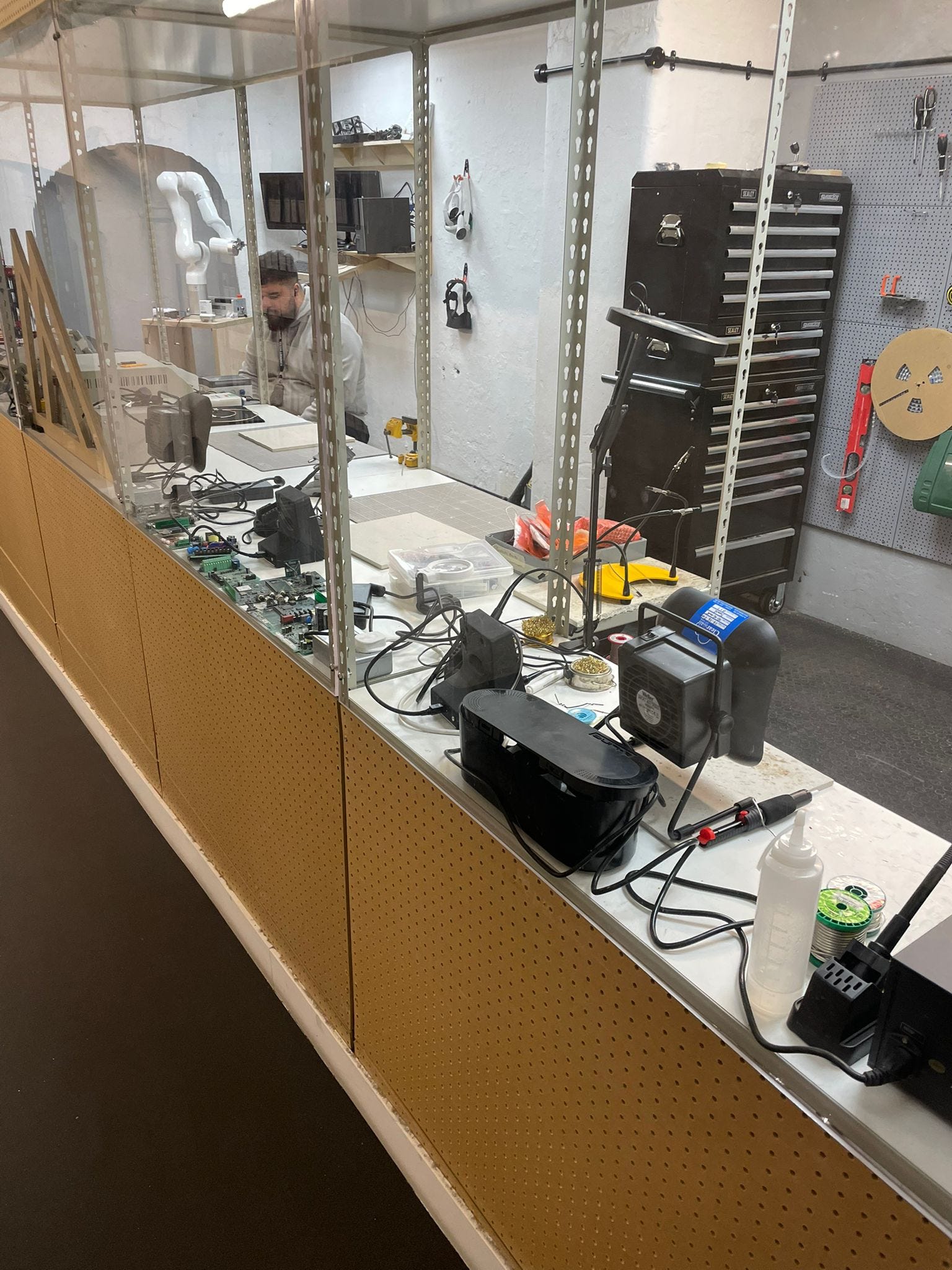
Akash told me that London had a lot going for it - he had very quickly found networksof overseas founders which had been incredibly supportive, and via a programme called Makers With A Mission he’d been given six months free office space and unlimited access to 3D printing services and workshops. He name checked both Rishi Sunak and Keir Starmer - Sunak for setting up the High Potential Individual Visa and Starmer for setting out his vision for AI in the UK.
Now, many if not the majority of tech startups fail, and. the odds against Starmoon making it are pretty long. But if dozens of smart young AI and healthtech entrepreneurs start choosing London as their base rather than San Francisco some will succeed, bringing the growth the government so desperately needs.
It can be done. The UK can certainly continue (yes we started a long time ago!) to be a key player in any tech boom.
What we mustn’t do is just capitulate - throw up our hands and say ‘well that’s it - we can’t beat the Techbros now..’
We the government MUST do is continue to feed the UK sector: colleges, grants, infrastructure, investors, collaborations abroad..that is their job.
We should not succumb to the bluff that the US - nor China - are in charge here.
The other benefit to being an entrepreneur - or business owner- in the UK vs the US is access to healthcare. In the US, most people receive health insurance from their employer - just as he did his visa. It’s very expensive to buy health insurance as an individual. In the UK he has access to the NHS for free (through taxes).